How barbados marine conservation tourism is reshaping luxury stays
Barbados marine conservation tourism now sits at the heart of the island’s luxury story. On the Platinum Coast, five star properties frame the ocean not just as a view, but as a living marine economy that feeds their kitchens and shapes their guest experiences. For a premium family choosing where to stay, the question is no longer only about the pool cabana, but about how the hotel treats the coral reef just beyond the swim zone.
The Ministry of Maritime Affairs and Blue Economy in Barbados treats the ocean as core national infrastructure, not background scenery. This blue economy approach links tourism revenue, fishery livelihoods and ocean conservation into one long term strategy, where marine protection and hotel development must coexist in the same marine space. When you book a suite overlooking Carlisle Bay or Folkestone, you are stepping into a living case study of how a small island nation balances economy and nature in real time.
Barbados marine initiatives now cover about 12 percent of marine protected areas, including Folkestone Marine Park and the Carlisle Bay Marine Park, according to official government reporting in its 2022 ocean governance updates and supporting NGO summaries. These protected areas are not abstract zones on a map; they are the underwater playgrounds where your children will snorkel, and where turtles nest on the sand in front of your hotel. The government of Barbados works with the Barbados Marine Trust and international partners through tools such as marine spatial planning, artificial reefs and strict marine reserve rules so that luxury travel and marine conservation can grow together rather than compete.
Coral nurseries, marine parks, and where families can actually get in the water
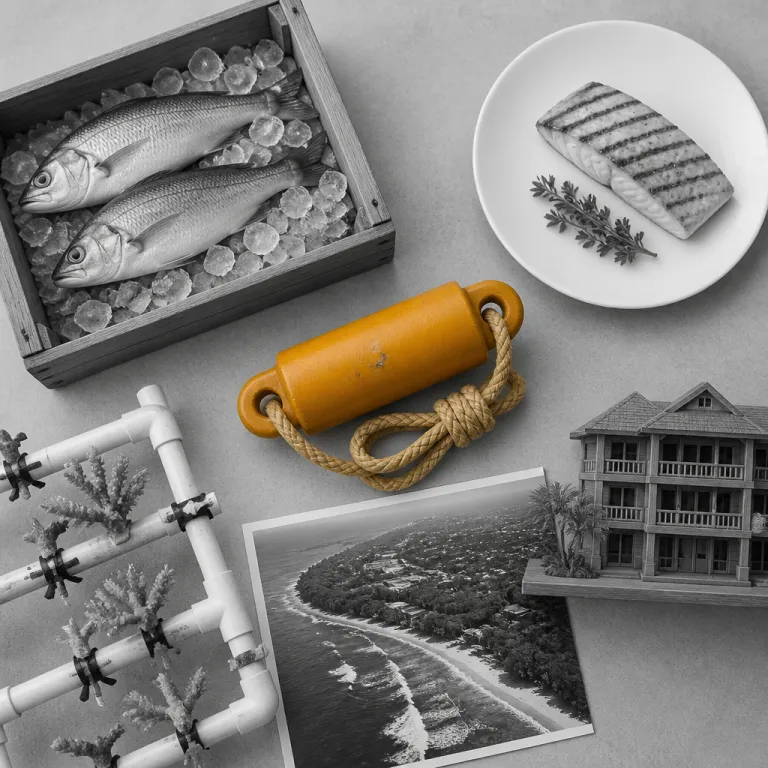
Along the west coast of Barbados, coral nurseries now hang like underwater orchards just beyond the moorings of catamaran cruise operators. These coral reef structures, grown on frames and artificial reefs, are part of a national marine conservation effort that began with Folkestone Marine Park in the 1980s and now extends through newer marine protected areas. For families booking premium rooms nearby, these nurseries turn a standard snorkel trip into a front row lesson in ocean conservation.
Barbados marine projects use coral transplantation, monitoring equipment and educational programmes to rebuild damaged reef areas while keeping access open for responsible tourism. At Carlisle Bay, several luxury hotels partner with dive centres that run guided snorkel tours through the marine park, explaining why guests must respect marine life, avoid touching corals and use reef safe sunscreen. The result is a style of Barbados marine conservation tourism where the marine space is curated as carefully as a hotel lobby, with clear rules, trained guides and a focus on long term protection.
Families who want more than a quick cruise ship stop can book properties that schedule private marine spatial briefings with local biologists before you head out on the water. These sessions explain how marine spatial planning decides which areas become marine reserve zones, which remain open to fishing, and how marine protection supports the wider blue economy. One west coast hotel programme, for example, reports transplanting more than 1,000 coral fragments with over 70 percent survival after two years, turning guest participation fees into measurable reef recovery. If you are mixing work and holiday, several west coast hotels with serious workspaces and fast Wi Fi, highlighted in this guide to bleisure in Barbados, now integrate reef friendly policies into their conference packages, turning corporate retreats into hands on marine conservation experiences.
From fishing boats to hotel menus: the blue economy on your plate
On the south coast, the story of Barbados marine conservation tourism continues at the fish markets where hotel chefs quietly negotiate with small scale fishers. Barbados banned the export of certain marine species and by products, so the flying fish and mahi mahi on your plate are now part of a carefully managed marine protection strategy. The government of Barbados uses fishery regulations and marine spatial planning to keep key spawning areas and marine reserve zones off limits, while allowing controlled fishing in other areas to sustain the island’s food culture.
For premium families, this means the grilled marlin at a five star restaurant often comes with a side of policy explanation from a well briefed maître d’. Many luxury properties now highlight which dishes support ocean conservation, which species are avoided due to marine protected status, and how their suppliers adapt to long term climate pressures and increased coral bleaching events. As one local marine scientist explained in a 2023 stakeholder workshop, “When hotels choose seasonal, responsibly caught fish, they are quietly backing the same blue economy rules that keep reefs and fishing communities alive.” The blue economy is not an abstract plan; it is the quiet reason why some familiar species are missing from menus, and why chefs are championing underused local fish instead.
Regional conversations about blue bonds and debt for nature swaps, often associated with Belize and other Caribbean states, influence how Barbados frames its own debt and ocean economy choices. While Barbados has its own path, the same logic applies; using financial tools to reward marine conservation and expand protected areas without sacrificing community livelihoods. Couples planning high end island getaways or destination weddings can now choose resorts featured in this overview of Caribbean island escapes for unforgettable destination wedding resorts that openly publish their sourcing policies, marine protection commitments and partnerships with local fishers.
Hotels leading on marine protection, plastic bans, and post covid habits
Walk into a top tier west coast property today and you will notice what is missing before what is present. Single use plastic bottles and straws have largely disappeared from serious luxury operations in Barbados, replaced by glass, refill stations and compostable alternatives that align with national marine protection goals. These changes grew sharper after the Covid pandemic, when hotels rethought hygiene theatre and shifted towards systems that protect both guests and the ocean.
Barbados marine conservation tourism now rewards hotels that treat the ocean as a partner rather than a backdrop. Several leading properties fund coral reef restoration near Folkestone Marine Park, sponsor monitoring equipment for marine protected areas and host educational talks by the Barbados Marine Trust. One verified explanation from local experts captures the shift clearly: “What is the blue economy? Sustainable use of ocean resources for economic growth and livelihoods.”
Training programmes from organisations such as Sustainable Travel International help hotel équipes measure emissions, reduce waste and align with net zero pathways without compromising service. Many general managers now carry the unofficial title of blue economy director inside their properties, overseeing marine spatial compliance, staff education and guest communication. For families, this translates into kids clubs that teach ocean conservation, sunset cruises that brief guests on marine reserve rules, and spa menus that quietly remove products harmful to coral reef health.
Planning a family stay that supports barbados marine conservation tourism
Choosing a luxury hotel in Barbados now means choosing your role in the island’s marine story. Start your planning by looking for properties that publish clear marine conservation commitments, including support for coral nurseries, participation in marine spatial planning consultations and transparent reporting on plastic reduction. Ask whether the hotel partners with the Barbados Marine Trust, local NGOs or academic institutions on marine reserve monitoring and educational programmes for guests.
When you book marine excursions, favour smaller operators who brief guests on marine protected rules and provide reef safe sunscreen on board. Avoid cruise ship style tours that crowd sensitive areas, and instead choose slower experiences that respect carrying capacity in key bays and protected areas. Responsible Barbados marine conservation tourism means treating the ocean as shared space, where every snorkel group, paddle board and ship movement fits into a wider spatial planning plan.
Families visiting during major cultural events can weave marine experiences between festivals and cricket matches, using guides such as this insider look at Crop Over in Barbados to balance city energy with quiet mornings in Carlisle Bay Marine Park. Pack long sleeve rash guards to reduce sunscreen use, choose reef friendly products and brief children on simple rules like not chasing turtles or standing on coral reef structures. In doing so, you turn a premium island getaway into a practical lesson in how a blue economy works, where every guest choice nudges the balance between debt and nature, economy and protection, short term fun and long term ocean health.
FAQ
What is the blue economy in Barbados?
The blue economy in Barbados means using ocean resources in a way that supports economic growth, jobs and food security while keeping marine ecosystems healthy. It links tourism, fisheries, shipping and coastal development under one policy framework managed by the Ministry of Maritime Affairs and Blue Economy. This approach guides decisions on marine protected areas, coral reef restoration and how hotels and cruise operators use marine space.
How can tourists support marine conservation while on holiday?
Tourists can support marine conservation by choosing hotels and tour operators that follow clear environmental standards and work with recognised organisations. Simple actions such as using reef safe sunscreen, not touching corals, keeping distance from turtles and respecting marine reserve rules make a measurable difference. Visitors can also support local fishers who follow regulations by ordering sustainably sourced seafood and avoiding species flagged as vulnerable.
Are there marine parks and protected areas that families can visit?
Yes, Barbados has several accessible marine parks and protected areas that welcome families. Folkestone Marine Park on the west coast and the Carlisle Bay Marine Park near Bridgetown both offer calm water, snorkelling over coral reef structures and a good chance of seeing turtles. These sites combine recreation with education, showing how marine protected zones help rebuild fish populations and support eco tourism.
What role do coral nurseries play in barbados marine conservation tourism?
Coral nurseries in Barbados grow fragments of resilient coral on underwater frames, which are later transplanted onto damaged reef sections. They help counteract bleaching events and storm damage, supporting long term reef health and the marine economy that depends on it. For tourists, guided visits to nursery sites turn a standard snorkel into an educational experience that connects hotel comfort with the science of ocean conservation.
How did the Covid pandemic change marine protection practices in hotels?
The Covid pandemic pushed many hotels in Barbados to rethink operations, reducing unnecessary single use plastics while maintaining strict hygiene. Properties accelerated moves to refillable amenities, contactless water stations and better waste separation to keep plastics out of the ocean. Training programmes also expanded, so staff now understand how public health, guest safety and marine protection can reinforce each other rather than compete.