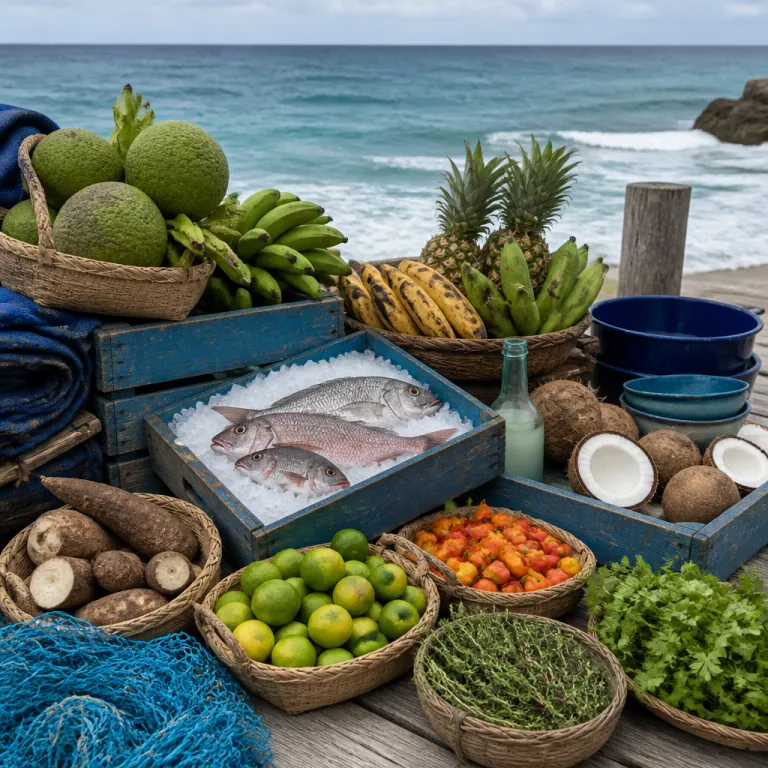
How sustainable tourism in Barbados starts on the plate
On Barbados, sustainable tourism feels most tangible when dinner arrives. The island’s luxury hotels are rethinking food as the first serious frontier of sustainability, not just another amenity. For visitors who care about the environment, the story of what is on the plate often matters as much as the view of the beach.
Across the tourism industry in Barbados, chefs now talk about sustainable tourism in the same breath as flavour and seasonality. They are working with local farms, small fisheries, and artisan producers so that tourism on the island supports the local economy instead of draining it. This shift is turning hotel kitchens into quiet engines of sustainability, where every tomato, every piece of fish, and every drop of rum is part of a wider eco friendly strategy.
Data from Barbados Tourism Marketing Inc. (BTMI) briefing notes on sustainable tourism (2022) indicates that around 60 percent of hotels have adopted some form of farm to table practice.1 That means more local food on menus, fewer imports flown across the sea, and a smaller carbon footprint for every guest who chooses sustainable tourism in Barbados. For luxury travelers, this is not a sacrifice; it is an upgrade, because fresher ingredients and environmentally responsible sourcing usually translate into better flavour and more authentic island experiences.
Meet the producers behind Barbados’ most refined hotel menus
To understand sustainable tourism in Barbados in practice, you need to leave the pool and head inland. On the east side of Barbados, PEG Farm sits high above the Atlantic, supplying organic produce to hotels that want genuinely sustainable food rather than marketing copy. The farm’s mixed beds of greens, herbs, and root vegetables are a quiet rebuttal to the idea that luxury cuisine must rely on imports.
PEG Farm is part of a wider network of local farms that now anchor the island’s eco minded hospitality. DL Prestige Farm & Meats Ltd. provides carefully raised meats to high end properties, while Continental Foods curates regional seafood and gourmet items so that hotels can keep menus both refined and sustainable. Restaurants such as The Mews and Local & Co. work closely with these producers, and their relationships often spill over into hotel partnerships where guests can visit a farm in the morning and taste the harvest by evening.
Some of the most interesting eco initiatives sit where agriculture meets rewilded land. Walkers Reserve, a former sand quarry on the east coast, has become a regenerative landscape that supplies fruit, herbs, and tree crops while restoring the environment. Nearby, Coco Hill Forest experiments with agroforestry above old sugar cane terraces, showing how tourism in Barbados can support both reforestation and food production. As one Coco Hill grower, Michael Clarke, explains in a 2023 farm tour, “When a hotel commits to buying our breadfruit and herbs, it keeps these hills green and gives visitors a real taste of Barbados.” For travelers choosing eco friendly hotels, these places turn a simple visit into a lesson in island sustainability and a tangible expression of sustainable tourism in Barbados.
For readers who want to go deeper into eco minded stays, this guide to Barbados eco luxury hotels and sustainable elegance on the Atlantic coast offers a focused look at properties that already work closely with farms and forest projects.
Inside the Tourism Linkages Network: how hotels and farms actually connect
The farm to table movement in Barbados did not happen by accident. Behind the scenes, the government backed Tourism Linkages Network has quietly stitched together hotels, local farmers, sustainable fisheries, and artisan producers so that sustainable tourism in Barbados becomes a practical reality rather than a slogan. Its goal is simple; keep more tourism revenue circulating on the island while reducing the environmental cost of imports.
In practice, the network functions like a matchmaking service for the tourism industry. A chef at a west coast hotel might request a steady supply of organic greens, and the programme connects them with PEG Farm or another grower who can plant to order and plan harvest time around hotel demand. Meat buyers are introduced to DL Prestige Farm & Meats Ltd., while pastry chefs looking for tropical fruit are guided toward farms near Walkers Reserve or the hills above Coco Hill, where old sugar cane land is being repurposed for diversified crops.
This structure matters for sustainability because it gives small producers the confidence to invest. When a farmer knows that a hotel will buy their crop season after season, they can adopt more eco friendly methods, invest in water efficient irrigation, and experiment with climate change resilient varieties. The same logic applies to fisheries that supply hotels committed to protecting marine life and sea turtles, often working alongside marine park projects and initiatives such as Barbados Blue dive operations that highlight fragile reefs. As Tourism Linkages Network coordinator Andrea Jordan notes in a 2021 programme summary, “Our mandate is to deepen local supply chains so that every visitor meal supports Barbadian producers.”2 For a deeper look at how these choices intersect with national climate goals, read the analysis on whether Barbados can go carbon neutral without losing its soul, which explores how sustainable tourism in Barbados is reshaping hotel operations.
From field to fine dining: where guests can taste the difference
On Barbados, the most convincing argument for sustainable tourism sits on a white tablecloth. ECO Lifestyle + Lodge in the east of the island has built its identity around farm to table dining, drawing heavily on PEG Farm produce and other local suppliers to create menus that change with the weather and the tide. Guests wake to plates of tropical fruit grown within a short drive, then move on to lunches and dinners where vegetables, meats, and seafood tell a very specific story about place.
Restaurants such as The Mews in Holetown and Local & Co. in Speightstown extend this ethos beyond hotel walls. They work with the same network of farms and fisheries, so visitors can taste sustainable tourism in Barbados whether they are staying in a five star property or renting a small apartment nearby. Many luxury hotels now arrange visits to farms, rum distilleries, or coastal projects, allowing guests to walk the fields, feel the soil, and see how water is managed before returning to the beach for a swim.
For travelers comparing islands, this food focused approach is a key reason many choose Barbados over other Caribbean destinations. The island’s mix of refined hotels, serious kitchens, and accessible farms makes it easier to align a luxury stay with eco friendly values and real sustainability. If you are weighing your options, this comparison of Saint Lucia versus Barbados for a luxury Caribbean stay explains why the farm to table scene gives Barbados a distinct edge for food focused visitors.
The economics of eating local: costs, carbon, and climate resilience
One of the most persistent myths about sustainable tourism in Barbados is that local food always costs more. On the surface, a tomato grown on the island can look pricier than one shipped in a refrigerated container, especially when hotels negotiate bulk import contracts. Yet once you factor in freight, storage, spoilage, and the reputational cost of a heavy carbon footprint, the equation shifts quickly.
For many hotels, working with local farms has reduced waste and improved menu planning. Chefs can design dishes around what is abundant at a particular time, whether that is okra, breadfruit, or greens from hillside plots above old sugar cane fields near Coco Hill. At one west coast property, the executive chef reports that shifting 70 percent of vegetable purchases to PEG Farm and neighbouring growers cut weekly spoilage by almost a third, while keeping spend within the island’s agricultural sector. When a storm disrupts shipping lanes, properties that rely on the island’s own farms and fisheries are less exposed, which makes sustainable tourism in Barbados a form of climate change insurance as much as an environmental choice.
The benefits ripple outward into the wider tourism industry and local communities. According to figures shared by the Barbados Agricultural Society (BAS) in its 2021 report on hotel procurement, farm revenues linked to tourism partnerships have increased by roughly a quarter, giving growers the confidence to invest in environmentally friendly irrigation, soil regeneration, and water capture systems.3 That means better resilience during dry months such as June, when water management becomes critical for both agriculture and beach front hotels that must balance guest comfort with sustainability. Over time, these choices help protect the very environment that draws visitors to the island’s sand, sea, and turtles in the first place.
Rum, hot sauce, and sea moss: how travelers can support the local food economy
Sustainable tourism in Barbados does not end when you sign the hotel bill. Every bottle of hot sauce, jar of sea moss gel, or flask of small batch rum you take home extends the impact of your stay far beyond the beach. These artisan products often begin life in the same fields and coastal waters that feed the island’s best hotel kitchens.
Look for rum made from Barbadian sugar cane, hot sauces that list local peppers and fruit, and sea moss harvested under guidelines that protect marine life and fragile reefs. Many luxury properties now stock these items in their shops, but you will find an even richer selection at farmers’ markets, roadside stalls, and small distillery outlets on the quieter side of Barbados. Choosing these products over anonymous imports keeps money circulating through the local economy and reinforces the link between tourism in Barbados and small scale producers.
Guests can also support eco friendly initiatives that protect the environment which underpins the island’s appeal. Booking a guided snorkel with an operator aligned with Barbados Blue or a marine park project helps safeguard sea turtles and coral, while staying at properties that reduce bottled water use in favour of filtered tap or sky water systems cuts plastic waste. When you walk the sand at places like Turtles Beach or join a dawn patrol with walkers who monitor nesting turtles, you are participating in a broader culture of sustainability. In that sense, every visitor becomes part of the island’s quiet shift toward genuinely sustainable tourism in Barbados, where luxury and responsibility share the same table.
Key figures shaping farm to table sustainability in Barbados
- Approximately 60 % of hotels in Barbados have adopted some level of farm to table practice, according to BTMI sustainable tourism briefing notes published in 2022, indicating that sustainable tourism in Barbados is moving from niche to mainstream within the tourism industry.1
- Local farm revenues linked to hotel partnerships have increased by around 25 %, based on 2021 Barbados Agricultural Society data, showing that visitors’ food choices directly strengthen the island’s agricultural economy.3
- The farm to table movement on the island has expanded steadily since the early 2000s, gaining particular momentum in the 2010s as visitors began to prioritise sustainability and environmentally friendly dining experiences.1
- Government programmes such as the Tourism Linkages Network now connect dozens of farms, fisheries, and artisan producers with hotels, reducing reliance on imported food and lowering the carbon footprint associated with long distance travel and freight.2
Frequently asked questions about farm to table dining in Barbados
What is farm to table dining in the context of Barbados?
Farm to table dining in Barbados means that hotels and restaurants source ingredients directly from local producers, including farms, fisheries, and artisan makers. This approach ensures fresher food, reduces the environmental impact of imports, and keeps more tourism revenue circulating on the island. It is a core pillar of sustainable tourism in Barbados because it links visitor spending to long term agricultural sustainability.
Which hotels or restaurants in Barbados focus on farm to table cuisine?
Several leading properties and restaurants now build menus around local ingredients. ECO Lifestyle + Lodge is known for its farm to table approach, working closely with PEG Farm and other suppliers, while The Mews and Local & Co. highlight seasonal Barbadian produce in their kitchens. Many luxury hotels on the west and east coasts also participate in the Tourism Linkages Network, even if they do not label themselves explicitly as farm to table.
How does farm to table dining benefit local communities in Barbados?
When hotels buy directly from local farms and fisheries, more of each tourism dollar stays on the island. Farmers gain predictable demand, which allows them to invest in better equipment, water management, and environmentally friendly practices, while fishers can adopt more sustainable methods that protect marine life and sea turtles. These relationships also create opportunities for farm tours, cooking classes, and cultural exchanges that bring visitors into direct contact with the people who feed the island.
Can visitors experience farms and food producers during their stay?
Yes, many hotels and independent operators arrange visits to farms, agroforestry projects, and coastal initiatives linked to sustainable tourism in Barbados. Guests can walk the fields at places like PEG Farm, explore rewilded landscapes at Walkers Reserve or Coco Hill, or join marine excursions that highlight conservation work. These experiences turn a standard beach holiday into a deeper engagement with the island’s environment and food systems.
Is farm to table dining more expensive for travelers in Barbados?
Prices at farm to table restaurants and hotels can be similar to other high end venues on the island, because you are often paying for skilled labour, careful sourcing, and small scale production. However, the value is higher, as you receive fresher food, a lower environmental footprint, and a direct contribution to local livelihoods. For many visitors, that combination makes sustainable tourism in Barbados a more rewarding way to spend on dining.
References
- Barbados Tourism Marketing Inc. (BTMI), sustainable tourism and farm to table briefing notes and industry updates, 2022.
- Government of Barbados, Tourism Linkages Network programme summaries and official statements on local supply chains, 2021.
- Barbados Agricultural Society (BAS), reports on farm revenues and hotel procurement partnerships, 2021.