Reading the island: a barbados history culture heritage guide for luxury travellers
Every premium stay in Barbados sits on layered ground shaped by sugar, resistance, and reinvention. When you check into a west coast resort or a south coast hideaway, you are stepping into a living Barbados history and culture landscape written in coral stone, rum, and sea spray. Understanding that long historical arc turns a simple beach holiday into a deeper conversation with the island and its people.
The island was once the most profitable British colony in the Caribbean during the seventeenth and eighteenth centuries, and that sugar wealth still frames how you move between parishes, heritage sites, and modern hotels. Plantation great houses, former sugar cane fields, and coastal forts now sit beside infinity pools, yet they remain central chapters in the wider Barbados story and in any serious guide to the island’s history, culture, and heritage. When you choose where to stay, you are also choosing which layers of cultural memory and which historic sites you will wake up beside each morning.
For a solo explorer, this means treating every luxury property as a starting point for reading Barbados heritage rather than an escape from it. A refined hotel near Bridgetown or the historic Garrison Savannah places you inside a UNESCO World Heritage landscape, inscribed in 2011, where parliament buildings, churches, and warehouses still narrate colonial power and emancipation. A quieter retreat in the Scotland District immerses you in a different heritage setting, where rugged cliffs, old sugar ground, and small villages express Bajan culture and the resilience of island people in a more understated way.
The sugar economy: from cane fields to hotel grounds
To understand today’s luxury hotels in Barbados, you need to see the sugar cane era beneath every manicured lawn and fairway. The island became a sugar powerhouse when planters shifted from tobacco to sugar in the mid-1600s, importing enslaved Africans to work the fields and turning the ground into one vast production machine. That brutal historical dynamic created immense wealth for a few and unimaginable suffering for many, and its traces still shape where you sleep, swim, and dine.
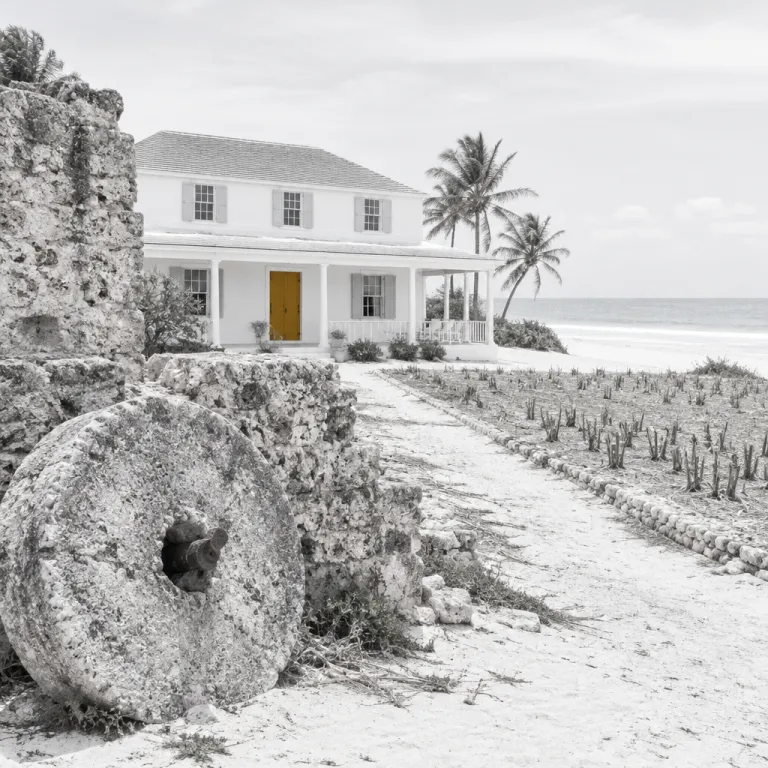
Many of the most exclusive properties now occupy former plantation lands, where great houses once controlled thousands of hectares of sugar cane stretching from ridge to sea. When you sip rum on a terrace or walk through landscaped gardens, you are often moving across the same sites Barbados used for cane cultivation, boiling houses, and windmills that powered the colonial economy. A thoughtful Barbados history and heritage guide will point out how these historic estates have been reimagined as spas, golf courses, and pool decks, while the stories of the people who worked that ground are only slowly being centred.
On the south coast, staying near Worthing or Hastings puts you close to older residential districts where merchants and free people of colour once lived between the plantations and the port. This is where the island’s layered cultural history becomes visible in street patterns, modest chattel houses, and the rum shops that still anchor everyday Bajan life. If you are curious about how food, sugar, and social life intersect, base yourself near the evolving Worthing dining strip and use a refined neighbourhood guide such as this south coast food and culture deep dive to frame your walks between the beach, the plate, and the past.
Emancipation, identity, and the making of bajan culture
Emancipation reshaped Barbados far beyond the legal end of slavery, and you can still feel that shift in the island’s music, religion, and political life. Slavery was formally abolished in the British Empire in 1834, followed by a period of apprenticeship that ended in 1838, and former plantation villages evolved into independent communities. The people who had worked the sugar ground began to assert their own versions of Barbados heritage and cultural identity. Today, when you hear a tuk band, taste cou cou with flying fish, or join a Crop Over fête, you are experiencing living Barbadian heritage that grew from that long struggle.
Staying near Bridgetown places you close to the parliament buildings, churches, and squares where debates about rights, labour, and representation unfolded over generations. The Bridgetown Garrison area, now part of a UNESCO World Heritage inscription, once housed British troops who enforced colonial order, yet it later became a stage for local assertion and national pride. A well curated Barbados history and culture itinerary will encourage you to walk from your hotel through these historic streets, reading plaques, visiting the Barbados Museum, and listening to how guides share the island’s story from a community perspective.
For a more immersive take on Bajan culture, time your travel around Crop Over and pair a luxury stay with serious cultural exploration. High end hotels now build thoughtful experiences around the festival, from gallery tours to culinary events that foreground rum, sugar, and the creativity of local people. To balance comfort with context, use a specialist resource such as this refined Crop Over and luxury stays guide as your bridge between poolside ease and the deeper cultural history that animates the island during the season.
Bridgetown, the garrison, and the new tourism landscape
Bridgetown is not just the capital of Barbados; it is the main stage where sugar, trade, and tourism intersect. The historic core and the Bridgetown Garrison together form a UNESCO World Heritage Site, recognised in 2011, and walking these streets with intention turns any stay into a living exploration of Barbados history, culture, and heritage. Coral stone warehouses, narrow alleys, and the curve of Carlisle Bay all speak to centuries of ships, soldiers, and merchants shaping the island’s fortunes.
Base yourself in a luxury hotel within easy reach of the Garrison Savannah, and you can move on foot between the parade ground, the Barbados Museum, and the parliament buildings that frame the island’s political life. This is where the transition from colonial rule to internal self-government in 1961, independence in 1966, and then to republic status in 2021 becomes tangible, as flags, statues, and memorials narrate a complex journey. From here, short drives take you to other key heritage sites Barbados offers, including plantation houses inland and coastal forts that guarded the approaches to the harbour.
Modern tourism layered itself onto this older urban fabric, turning former merchants’ homes into guesthouses and later adding high rise hotels along the south coast. When you choose a property, ask how it engages with Barbados heritage, whether through curated city walks, partnerships with local historians, or menus that honour Bajan culture beyond token dishes. For long range planners, resources such as this strategic guide to securing the right Barbados hotel help you align your preferred level of luxury with proximity to the heritage network that matters most to your travel style.
Where history meets your room key: choosing culturally rich stays
Not every luxury stay in Barbados engages equally with cultural history, so your choices matter if you care about context. Properties near the Scotland District, for example, offer dramatic coastal scenery and a slower rhythm, but they also place you close to older sugar ground, small churches, and villages where the island’s social fabric feels more intimate. On the west coast, hotels built on former plantation lands often have the resources to commission art, oral history projects, and curated experiences that bring Barbados history into the guest journey.
When evaluating options, look for hotels that partner with the Barbados Museum, local historians, or community guides who can interpret the heritage sites Barbados has preserved. Ask whether the property organises walks through Bridgetown, visits to the Bridgetown Garrison, or tastings that explain how rum, sugar cane, and trade shaped both wealth and inequality. A thoughtful cultural heritage guide will also point you toward rum shops, small galleries, and neighbourhood food spots where you can share space with local people rather than staying only within resort walls.
Food is another powerful entry point into Barbados heritage, especially when chefs frame dishes within the wider national story. When a menu explains why flying fish and cou cou became national symbols, or how rum shops function as social clubs as much as bars, you gain a richer sense of Bajan culture in both its singular and plural expressions. In this way, every plate, every glass of rum, and every conversation becomes part of your own guide to the island, connecting the colonial past, the tourism present, and the cultural heritage future that Barbados is still writing.
FAQ
How does understanding Barbados history change a luxury stay ?
Knowing the island’s history reveals how sugar, slavery, and colonial power shaped the landscapes where many hotels now stand. You start to see plantation patterns in golf courses, military planning in the Bridgetown Garrison, and political evolution in the parliament buildings. This context makes your time by the pool or in rum shops feel connected to real people and a longer Barbados story rather than existing in a separate tourism bubble.
Which areas are best for combining heritage sites with premium hotels ?
The Bridgetown and Garrison Savannah area is ideal if you want easy access to UNESCO-listed streets, the Barbados Museum, and political landmarks alongside comfortable stays. The south coast between Hastings and Worthing offers a strong mix of beach, food culture, and proximity to historic sites Barbados maintains. For a quieter, more landscape focused experience, the Scotland District pairs dramatic coastal scenery with traces of old sugar ground and village life.
How can I engage with bajan culture respectfully as a solo traveller ?
Choose hotels that work with local guides, artists, and historians, then join their walks, talks, or tastings rather than only booking generic excursions. Spend time in rum shops, small restaurants, and community events, listening more than you speak and supporting local businesses with your spending. When you visit any heritage site, from the Bridgetown Garrison to rural churches, treat it as a living space for local people, not just a backdrop for photos.
Are there specific museums or institutions I should prioritise ?
The Barbados Museum near the Garrison Savannah is the best single starting point for a structured Barbados history, culture, and heritage overview, covering Indigenous presence, the sugar era, emancipation, and modern identity. In Bridgetown, the parliament buildings and nearby monuments help you understand political change, from colonial rule to independence in 1966 and the move toward republican status in 2021. Smaller galleries and community museums across the island add texture, especially when they focus on Bajan culture, rum, and everyday life.
Can I explore heritage sites without renting a car ?
If you base yourself near Bridgetown or the south coast, you can reach many key heritage sites Barbados offers by walking, using taxis, or joining guided tours. The Bridgetown Garrison, the Barbados Museum, and central streets are all accessible without driving, which suits solo travellers who prefer not to rent a vehicle. For more remote areas such as the Scotland District or inland plantation houses, hiring a driver or joining a small group tour is usually the most efficient and comfortable option.