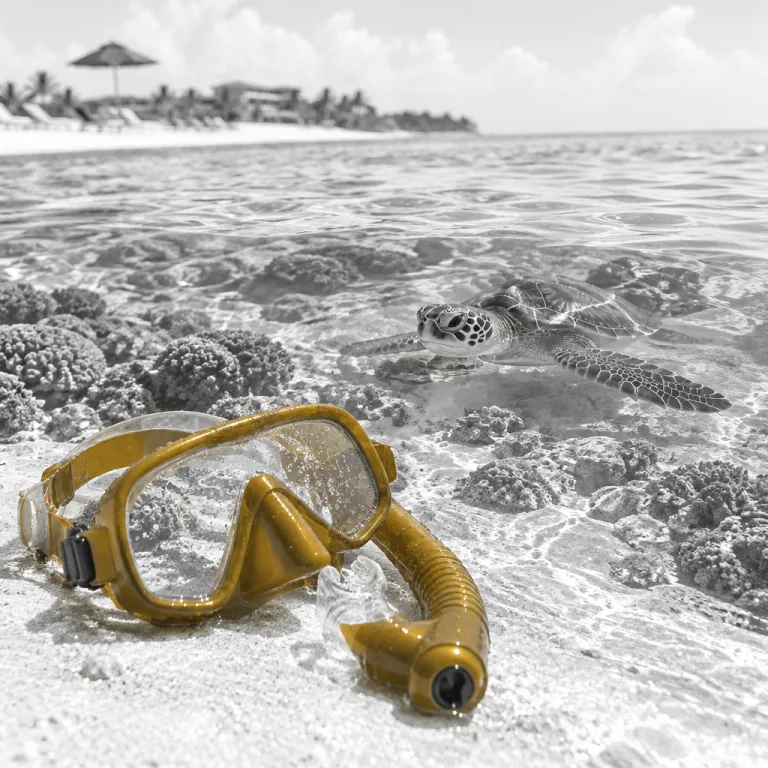
Why Barbados works for family snorkelling holidays
Barbados is one of the rare Caribbean islands where you can step from soft sand straight into calm clear water with reef life just a few fin kicks away. For families planning a first snorkeling holiday, that combination of an easy entry beach, predictable sea conditions, and reliable marine life is priceless. When you add polished luxury hotels and relaxed food drink culture, the island becomes a natural choice for parents who want comfort as much as coral reefs.
The west coast of Barbados, often called the Platinum Coast, is the most family friendly stretch for gentle snorkel sessions because the sea here is sheltered and usually calm. Many of the best beaches Barbados offers for children sit in small coves or a protected bay, which keeps waves low and visibility high for spotting marine life in the shallows. Parents can stand in waist deep water while kids float above underwater rock gardens, watching tiny reef fish flicker between patches of seagrass and coral.
For luxury travelers, the real advantage is how close top properties sit to these family beaches, so you can time short snorkel outings between naps and room service. High end hotels on the west coast often provide complimentary snorkel rentals, kayaks, and paddleboards, which reduces the logistics of carrying gear with children. When you are choosing where to stay, look for resorts that front a naturally calm beach rather than a dramatic surf break, because that detail will shape every snorkelling kids Barbados family beaches moment of your trip.
The best shallow water reefs for children on the west coast
For young swimmers, the best time to enter the water is usually early morning, when boat traffic is light and the sea is glassy. Along the west coast, Paynes Bay, Carlisle Bay, and the shoreline near Sandy Lane stand out for calm clear conditions that suit beginners. These beaches Barbados locations combine easy access from the sand with enough marine structure to keep older children engaged during longer snorkel sessions.
Paynes Bay is a classic family friendly choice, with a gently shelving beach and clear waters that often host sea turtles cruising just beyond the moored boats. Parents can book short Barbados snorkeling excursions directly from the sand, but many families simply snorkel from shore, following the reefy patches that run parallel to the beach. The bay is also lined with upscale villas and hotels, so you can pair a morning in the sea with a shaded terrace lunch and still be back in your suite for quiet time.
Carlisle Bay, closer to Bridgetown, offers a different kind of underwater experience, mixing natural reef with historic wrecks in a designated marine park zone. Here, older kids and confident teens can join a guided tour to explore shallow underwater wreck sites, while younger children play in the calm water near the beach under a parent’s eye. If you are weighing which luxury property to book, our guide to Barbados family resorts for an elegant island escape with children highlights hotels that sit within a short drive of these bays, making spontaneous snorkel outings easy.
Turtle encounters, marine parks, and when to go in the year
Many families come to Barbados with one clear wish ; to let their children swim near wild sea turtles in a safe, respectful way. The island’s west coast bays, especially Paynes Bay and Carlisle Bay, are known for regular turtle sightings, thanks to a mix of natural feeding grounds and long established tour routes. When you choose a reputable operator for a short Barbados snorkeling trip, guides usually know the best time of day and the exact patches of reef where turtles tend to graze.
For a more structured experience, Folkestone Marine Park on the west coast protects a section of reef just offshore, with a marked snorkel trail that suits older kids who are comfortable in deeper water. The marine park’s clear waters often hold schools of reef fish, sponges, and occasional sea turtles, giving children a sense of underwater life beyond the hotel beach. Parents should still follow basic safety tips ; stay close to kids, use a bright float, and avoid standing on coral reefs, which are fragile living structures.
Timing your travel matters, especially when you are balancing calm sea conditions with quieter beaches. Families who prefer fewer crowds often choose shoulder season months, when the Caribbean sun is softer and the sea remains warm enough for long snorkel sessions. For a deeper look at how a quieter island changes the feel of your stay, our feature on why the island’s quietest month can be its most rewarding offers context that helps you decide the best time for your family.
Age, confidence levels, and practical safety tips for kids in the sea
Not every child is ready for full snorkel sessions in open water, and that is perfectly fine. Under about six years old, many children are happier in the shallows with a mask only, watching small fish near the edge of the beach while a parent holds their hand. Slightly older kids can graduate to a simple snorkel and fins, staying in waist deep water where adults can stand comfortably.
For tweens and teens, Barbados offers more ambitious underwater experiences, from guided reef tours to short boat trips that combine snorkeling with gentle cruising along the island’s west coast. At this stage, clear rules matter ; agree on a maximum distance from shore, use a visible surface marker float, and teach children never to touch marine life, even when sea turtles glide close. Many luxury hotels provide lifeguards on key stretches of beach, but parents should still treat the calm Caribbean sea with the same respect they would give a mountain trail.
Simple travel tips make a big difference to comfort and safety during repeated snorkelling kids Barbados family beaches outings. Pack long sleeve rash vests, well fitting masks, and reef safe sunscreen, because the combination of salt water and sun can tire children faster than you expect. Aim for early morning sessions when the sea is calm clear and the light is soft, then retreat to the shade of your hotel or a nearby restaurant for food drink before returning to the beach later in the day.
Choosing the right luxury base: from Sandy Lane to quiet coves
Where you sleep shapes how you experience the sea with your children, especially when you want multiple short snorkel sessions rather than one long tour. On the west coast, grand addresses like Sandy Lane place you directly on a crescent of pale sand with typically calm clear water, ideal for quick dips between breakfast and afternoon tea. Here, staff can often arrange private Barbados snorkeling guides, discreet boat pickups from the beach, and high quality snorkel rentals sized correctly for younger faces.
Families who prefer a slightly quieter rhythm often look toward smaller properties near Paynes Bay or the edges of Carlisle Bay, where the beach scene feels more local and the marine life is still rich. These stretches of coast offer easy access to coral reefs and seagrass beds that host turtles, rays, and shoals of reef fish, yet you are never far from polished restaurants for a relaxed food drink stop after swimming. For a curated overview of refined west coast stays that balance elegance with proximity to the sea, our guide to west coast luxury stays near the water is a useful starting point.
Some families choose to split their time between a classic west coast hotel and a more secluded island hideaway, using the first base for structured marine park visits and the second for slow days on a quiet beach. This approach works well when you want both easy access to organized reef tours and unhurried afternoons where children simply play in the shallows. However you design your itinerary, keep the focus on beaches Barbados offers with naturally gentle sea conditions, because that is what turns snorkelling kids Barbados family beaches dreams into relaxed, repeatable daily rituals.
FAQ
Which Barbados beaches are best for snorkelling with young children ?
For younger kids, Paynes Bay and the main beach at Carlisle Bay are excellent because the water is usually calm and the entry from the sand is gentle. Both spots offer clear waters close to shore, so children can see fish without swimming far. Parents can stand in waist deep water while kids float with a mask and snorkel above small reef patches.
Can children see sea turtles from the shore, or do we need a boat tour ?
In Barbados, it is often possible to see sea turtles from the shore at Paynes Bay and parts of Carlisle Bay, especially near the moored boats where turtles come to feed. A short guided tour by boat increases your chances and keeps the experience controlled and safe. Reputable operators provide life vests, clear safety briefings, and usually limit group size, which helps when you are managing children in the water.
What equipment should we bring for family snorkelling days ?
Bring well fitting masks for each child, simple snorkels, and short fins if they are confident swimmers, plus rash vests and reef safe sunscreen. Many luxury hotels on the west coast offer snorkel rentals, but having your own children’s masks avoids sizing issues. A small dry bag for snacks, water, and a lightweight towel makes it easier to move between beach, bay, and hotel without constant trips back to the room.
Is Barbados snorkelling suitable for children who are not strong swimmers ?
Yes, as long as you choose sheltered beaches with calm clear water and stay in shallow areas where adults can stand. Floatation aids like swim vests or noodles help children relax while they get used to breathing through a snorkel. Start with very short sessions near the edge of the beach, then gradually move toward slightly deeper water as their confidence grows.
How can we protect marine life while snorkelling with kids ?
Teach children to look but not touch, especially around coral reefs and sea turtles, because contact can damage marine life or stress animals. Use reef safe sunscreen and avoid standing on coral or seagrass beds, choosing sandy patches if you need to rest your feet. Keeping a respectful distance from wildlife also makes the experience feel more like visiting a natural underwater home rather than a theme park.