Eco hotels in Barbados where conservation is part of the stay
On this compact Caribbean island, the most interesting luxury stays now come with a field guide and reef-safe sunscreen, not just a chilled towel. Families choosing eco hotels in Barbados for conservation-minded travel are no longer satisfied with a polite green card on the bathroom counter, because they want to see how their holiday money protects the coast, the coral reef and the marine life they came to admire. The new benchmark for eco luxury here is simple yet demanding, as the best elegant hotels must prove that every ocean view, every freshwater pool and every rum punch poured near the beach is balanced by real investment in water conservation, renewable energy and local communities.
Take ECO Lifestyle + Lodge above Tent Bay in Bathsheba, a small hotel that helped put the wild east coast on the map for eco-friendly families who care about conservation as much as surf. The property runs on solar heating, uses bamboo straws instead of single-use plastics and sends kitchen waste to compost that feeds a farm-to-table menu built with local farmers, which turns a casual lunch into a lesson in natural beauty and resource use for children. According to the hotel’s published sustainability data and Green Globe–aligned reporting, its recycling programmes, organic cleaning products and reusable water bottles have cut single-use plastics by around 90 %, a figure that quietly shames larger hotels on the island that still talk about being green while wrapping every amenity in plastic.
Little Diamond, a sustainable retreat tucked further along the east coast, feels more private villa than resort Barbados, yet its ethos is rigorously eco. Here, the rhythm of the day is set by the sea breeze and the sound of waves on the Barbados sea, while the design keeps air flowing so that energy-hungry air conditioning is rarely needed. Parents notice the difference when they see rainwater harvesting tanks, low-flow fixtures that support water conservation and native flora fauna gardens that attract birds instead of sprinklers that fight the climate.
On the south coast, Sea Breeze Beach House shows how a larger luxury hotel can still behave like a thoughtful neighbour to the marine environment. The hotel’s sustainability programme focuses on water and energy efficiency, careful beach lighting during sea turtle nesting season and partnerships with local conservation groups that monitor marine life along this stretch of coast. For families, this means that a sunset walk can turn into an impromptu lesson on hawksbill and green sea turtle behaviour, with staff trained by wardens from the Barbados Sea Turtle Project to explain why the sand must stay dark and quiet when the sea is alive with hatchlings.
Parents often ask what an eco hotel actually is when they start planning travel to Barbados with children. The most straightforward answer comes from the island’s own sustainability leaders, who define it as “a hotel implementing sustainable practices to reduce environmental impact.” That definition sounds simple, yet on this island it now separates hotels that merely talk about being eco friendly from those that treat conservation as a core part of their identity and daily operations, often backed by third-party certifications, environmental audits or detailed sustainability reports that can be checked before you book.
From green promises to hands on conservation for families
The shift from polite green gestures to hands-on conservation is where Barbados is quietly leading the Caribbean, and where eco hotels in Barbados conservation efforts become genuinely memorable for families. At properties that take sustainability seriously, children are not just told to reuse towels, they are invited to help plant coastal vegetation, join coral reef talks or walk the beach with turtle wardens who explain how to read the sand for signs of marine life. This is where the island’s Tourism 3.0 vision for community-centred, sustainable travel stops being a policy document and becomes a sandy-footed reality at the edge of the sea.
Sea Breeze Beach House is a useful case study because it sits on a busy stretch of south coast where the temptation to maximise beachfront loungers is strong. Instead, the hotel works with local conservation partners and the Barbados Sea Turtle Project to manage beach lighting during nesting season, restrict disruptive activities near active nests and educate guests on why a dark, quiet beach is the most luxurious amenity a sea turtle can have. Families who join evening walks learn to spot tracks, understand how the Barbados Sea Turtle Project operates and see first hand how a resort Barbados property can share the shore with wildlife without sacrificing comfort.
On the wilder east coast, ECO Lifestyle + Lodge and Little Diamond lean into their proximity to raw Atlantic energy and the island’s green interior. Staff encourage guests to explore nearby gullies such as Welchman Hall Gully and Hall Gully, where dense flora fauna corridors act as lungs for the island and vital habitat for birds and pollinators. For children raised on screens, walking through these cool ravines after a hot morning on the beach is a reminder that Barbados national identity is rooted as much in its limestone caves and gullies as in its rum shops and cricket grounds.
The business case for this deeper approach to conservation is now clear to the island’s more forward-thinking hotels. Families who choose eco luxury properties tend to stay longer, spend more on local experiences and return to the same hotel because their children form emotional connections with the staff, the reef and even specific stretches of coast. When a child has helped release a rescued sea turtle or planted a mangrove seedling that will one day protect the beach from storm surge, the idea of switching to a generic resort with no conservation programme feels like a downgrade, not an upgrade.
For travellers weighing different Caribbean destinations, this is where Barbados stands out against its neighbours. If you are still deciding between islands for a high-end family escape, it is worth reading a detailed comparison of St Lucia versus Barbados for a luxury Caribbean stay to understand how each island handles sustainability and conservation at the resort level. The pattern that emerges is that Barbados, with its dense network of conservation organisations and engaged hoteliers, is increasingly the island where eco friendly families can expect conservation to be part of the daily rhythm of their hotel stay rather than an optional extra.
Parents who want to support this shift should ask pointed questions before booking any hotel on the island. “Why choose eco-friendly accommodations? To support conservation efforts and minimize your travel footprint.” That simple statement becomes powerful when families use it as a filter, favouring hotels that can show real data on water conservation, energy use and single plastics reduction over those that rely on vague green language or unverified claims.
Coral restoration, turtles and the new definition of eco luxury
Coral restoration has become the most visible frontier of eco hotels in Barbados conservation work, and it is where the gap between marketing and reality is easiest to spot. Some hotels now promote reef planting sessions as casually as they once advertised catamaran cruises, yet only a handful have invested in the science, training and long-term monitoring that make these programmes meaningful. For families, the difference between a photo opportunity and a genuine conservation activity lies in the presence of marine biologists, clear explanations of methods and honest discussion of how climate change, water quality and coastal development affect the coral reef.
On the calmer west coast, properties such as Colony Club and Crystal Cove sit close to fringing reefs where coral nurseries can thrive in relatively sheltered water. A typical guest morning might start with a briefing on coral biology, a short boat ride to a nursery and supervised work attaching coral fragments to structures that will later be transplanted to degraded sections of reef, which turns a simple snorkel into a hands-on lesson in marine life resilience. Regional studies from the Caribbean, often cited by local marine biologists, suggest that well-managed coral transplant projects can increase live coral cover and fish diversity on restored patches within a few years, giving families a measurable sense of impact.
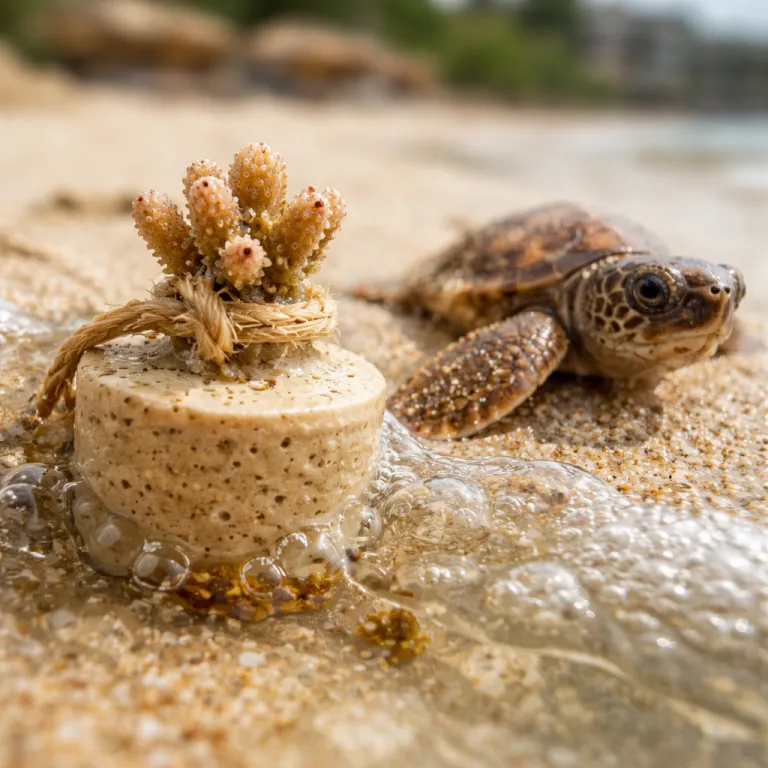
Sea turtle conservation adds another layer of meaning to eco luxury stays, especially between May and October when hawksbill and green turtles nest on many Barbados beaches. Hotels that take this seriously coordinate closely with the Barbados Sea Turtle Project, dimming lights, rerouting evening events and training staff to respond when turtles come ashore or hatchlings emerge, which can happen directly in front of sun loungers at some west coast hotels. Wardens frequently explain that artificial light can disorient hatchlings and reduce survival rates, so a single well-managed nesting beach can influence the fate of hundreds of young turtles in a season.
Eco friendly families should also look inland when assessing a hotel’s conservation credentials. Properties that organise guided walks to Welchman Hall Gully or Hall Gully, support reforestation projects or help maintain trails through the island’s interior are contributing to the health of the entire ecosystem, not just the postcard beach. These gullies act as corridors for flora fauna, stabilise slopes against erosion that would otherwise cloud coastal water and provide cool refuges where children can learn how the island’s geology and vegetation shape the quality of the Barbados sea they swim in later that day.
For a deeper dive into how high-end properties along the Atlantic-facing shore are redefining sustainable elegance, it is worth reading a dedicated guide to Barbados eco luxury hotels and their work on the Atlantic coast. There you will see how smaller hotels on the east coast, often with fewer rooms and more modest facilities, can sometimes outpace larger resorts in terms of green innovation, renewable energy adoption and community partnerships. The lesson for families is clear, as the most meaningful eco luxury experiences often happen where the surf is rougher, the coastline wilder and the hotel team more personally invested in every conservation decision.
Guests who still wonder whether their choice of hotel really matters should listen to the most direct answer from local experts, who state, “Are there eco-friendly hotels in Barbados? Yes, several hotels in Barbados focus on sustainability and conservation.” The task now is to reward those hotels with bookings, reviews and repeat visits, so that conservation becomes the default expectation for luxury travel on the island rather than a niche selling point.
How to read between the green lines when booking
For families scrolling through glossy images of infinity pools and sunset views, separating genuine eco hotels in Barbados conservation leaders from polished greenwashing can feel daunting. The solution is to treat the booking process as part of the journey, asking the same sharp questions you would pose about school choices or healthcare, because a luxury stay that undermines the island’s natural beauty is no luxury at all. Start by looking for specific commitments on water conservation, renewable energy use, single plastics reduction and partnerships with recognised organisations such as Green Globe or the Barbados Sea Turtle Project, rather than vague promises to be green and friendly to nature.
When a hotel claims to be eco friendly, ask for numbers and examples that relate directly to the island’s context. ECO Lifestyle + Lodge can point to its 90 % reduction in single-use plastics, its solar heating system and its collaboration with local farmers that shortens supply chains and supports the rural economy, which is the level of detail you should expect from any serious player. Sea Breeze Beach House can explain how its lighting protocols protect nesting turtles, how its water and energy audits shape investment decisions and how staff training turns every beach attendant into a frontline conservation advocate.
Location also matters when you are weighing options across the island’s varied coastlines. West coast hotels such as Colony Club and Crystal Cove offer calm water, easy snorkelling and quick access to coral reef restoration projects, which suits younger children and first-time snorkellers. East coast retreats like Little Diamond and ECO Lifestyle + Lodge trade gentle seas for dramatic surf, cooling sea breeze and direct access to wild landscapes that showcase the island’s raw natural beauty, which can be ideal for older children who enjoy hiking, tide pooling and learning how wind and waves shape the coast.
Families who care about conservation should also think about how their broader travel choices support the island’s long-term sustainability goals. Barbados has set ambitious targets for reducing fossil fuel dependence and promoting renewable energy, and the hospitality sector sits at the heart of that transition, which means your choice of hotel either accelerates or slows that shift. A detailed analysis of whether Barbados can go carbon neutral without losing its soul explores how luxury resorts, eco hotels and community projects can align to protect both culture and coastline, and it is essential reading if you want your holiday budget to support the right side of that debate.
Finally, remember that your behaviour on the island is as important as the hotel’s policies. Simple habits such as bringing reusable water bottles, choosing coral-safe sunscreen, respecting turtle nesting zones and supporting local eco friendly businesses turn a passive stay into an active contribution to conservation, especially when children see these choices modelled every day. When families align their expectations, spending and daily routines with the island’s environmental realities, eco luxury stops being a label on a website and becomes a lived experience that benefits both guests and the Barbados national environment they have come to enjoy.
For parents still on the fence, the most honest guidance comes from a straightforward reminder, “Why choose eco-friendly accommodations? To support conservation efforts and minimize your travel footprint.” On an island where every bay, gully and reef is under pressure, that choice is no longer a niche preference for a few committed travellers, it is the new baseline for responsible, high-end family travel.
Key figures shaping eco luxury conservation in Barbados
- One leading east coast hotel has achieved a 90 % reduction in single-use plastics, according to its published sustainability data, showing how even smaller properties can dramatically cut waste without compromising guest comfort.
- Solar heating systems at eco-focused hotels now provide a significant share of hot water demand, reducing reliance on imported fossil fuels and supporting Barbados national targets for renewable energy adoption in the hospitality sector.
- Hawksbill and green sea turtles nest on many Barbados beaches between May and October, and hotels that manage lighting and guest access carefully during this period can directly influence hatchling survival rates along busy stretches of coast.
- Guided visits to gullies such as Welchman Hall Gully and Hall Gully help maintain these critical corridors for flora fauna, and hotels that promote such excursions contribute to both conservation funding and environmental education for visiting families.
- Coral restoration programmes near west coast hotels like Colony Club and Crystal Cove use underwater nurseries to grow coral fragments before transplanting them to damaged reef sections, a method that regional marine science reports associate with improved local marine life diversity over time.
- Properties that invest in water conservation measures such as rainwater harvesting, low-flow fixtures and greywater reuse can reduce potable water consumption per guest night significantly, easing pressure on the island’s limited freshwater resources.
- Eco friendly hotels that integrate conservation activities into the guest experience report higher repeat visitation from families, suggesting that hands-on engagement with marine life and coastal ecosystems is now a key driver of loyalty in the luxury travel segment.