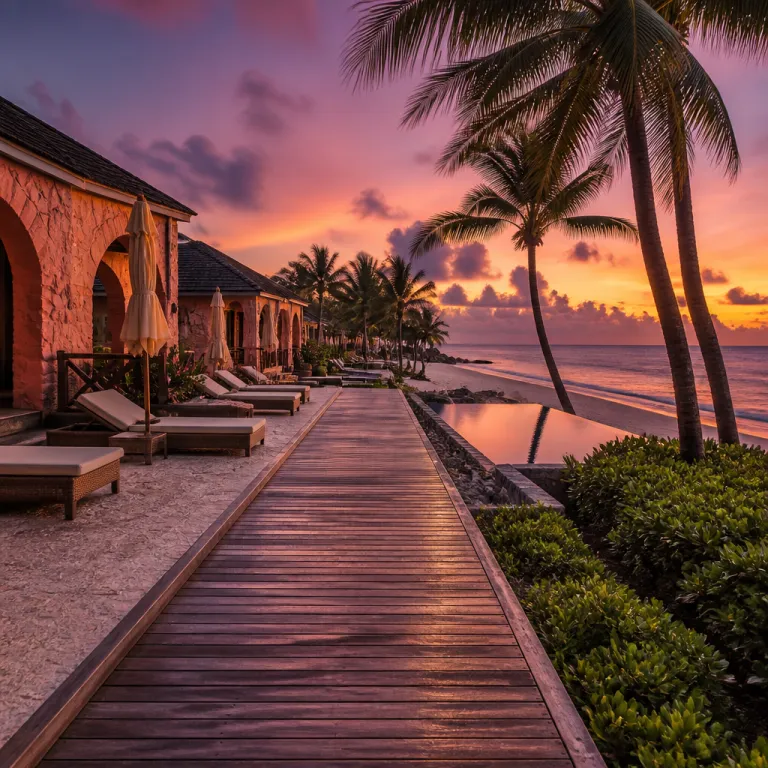
The three decisions that shape how you travel Barbados
Before you book anything, decide how you want to travel Barbados in terms of coast, month, and whether you prefer a serviced hotel or a staffed villa. Those three choices will quietly dictate which part of the island you wake up on, how much you spend on every beach day, and how easily you can reach the best places for food, rum, and culture. Think of them as the framework that turns a vague Caribbean vacation into a focused trip to Barbados that actually suits your life.
The west coast of Barbados, often called the Platinum Coast, is where you will find the island’s most polished luxury hotels, calm beaches, and the highest nightly rates. The south coast, around Saint Lawrence Gap and Carlisle Bay, offers a livelier scene, slightly softer prices, and easy access to many of the best beaches for swimming, casual fish fry nights, and nightlife. The east coast is the wild card; this Atlantic-facing side of the Caribbean island feels untamed, with dramatic cliffs near Animal Flower Cave, constant surf, and a handful of intimate luxury stays that reward travelers who want to spend time away from the usual Barbados popular strips.
Timing matters just as much as geography when you plan to visit Barbados for the first time. The dry season from December to April brings the most reliable sunshine, the highest demand, and premium pricing on every type of stay, from five-star resorts to private villas overlooking a quiet beach. The greener months still offer warm seas and fewer crowds, so if you travel Barbados then, you can often check into excellent places on the island at rates that make a longer vacation realistic.
Once you have chosen your month and coast, decide whether you want a full-service hotel or a private villa with staff. A luxury hotel stay on Barbados gives you structured ease; you will find concierges who can arrange every tour, from a Mount Gay rum tasting to a catamaran cruise over Carlisle Bay, plus restaurants on site when you are too tired to explore. A villa on the island suits business leisure travelers who want privacy, space to work, and the freedom to host clients for a sunset Mount Gay rum drink before heading out to the best food spots for flying fish or grilled mahi mahi.
For many first timers planning a trip to Barbados, the honest answer is that a hybrid approach works best. Spend time on the west or south coast in a hotel for the first half of your vacation, then move to a villa or smaller property on the east coast once you know the island’s rhythm. That way you can check off the classic Barbados things — long beach days, a Friday Oistins fish fry, a tour of Mount Gay — before retreating to quieter places where the only noise is the Atlantic and the clink of ice in your rum punch.
Choosing your coast: west, south, or east for a first stay
Where you base yourself will shape how you experience travel Barbados more than any other decision. The west coast is about polished service, calm Caribbean water, and the kind of understated wealth that arrives by yacht rather than cruise ship. The south coast, anchored by Saint Lawrence Gap, is where you will find a more relaxed mix of locals, long-stay visitors, and business travelers extending a work trip to Barbados into a proper vacation.
On the west coast, beaches are sheltered and the sea is usually flat, which makes this side of the island ideal for families, nervous swimmers, and anyone who wants to float with a rum punch in hand. You will find some of the best beaches between Holetown and Paynes Bay, with hotels that understand high service standards and discreet luxury. Expect to spend time in hotel restaurants and refined beach clubs such as those near Sandy Lane and Fairmont Royal Pavilion, then head south in the evening if you want to check out livelier Barbados popular spots for food and music.
The south coast feels more democratic, with a string of beaches from Carlisle Bay to Oistins that invite you to walk, swim, and graze on street food. Saint Lawrence Gap, often shortened to “the Gap”, is the social heart, where you will find bars, casual restaurants, and mid- to high-end hotels that still feel plugged into local life. For many first timers who visit Barbados, this area offers the best balance between price, access to things Barbados is known for, and the ability to join a tour or hire a car without feeling trapped in one enclave.
Ignoring the east coast is one of the classic first timer mistakes when people travel Barbados for the first time. This Atlantic side of the island is not about classic beach lounging; instead you will find dramatic cliffs, constant surf, and the raw beauty around places like Bathsheba and the northern headlands near Animal Flower Cave. Even if you stay on the west or south, plan at least one full day to visit this coast, check the swells, and understand why many repeat visitors say it is one of the best places on the island to feel its true character.
If you are planning a wedding or celebration as part of your trip to Barbados, your choice of coast becomes even more strategic. The west offers grand hotels with manicured lawns, while the south and east provide more atmospheric backdrops for ceremonies that lean into the island’s natural drama. For a deeper look at venues, legalities, and how to match your event to the right shoreline, use this detailed guide to saying “I do” in Barbados as a planning companion.
Budgeting reality: what a luxury day on the island really costs
Barbados is one of the Caribbean island destinations where the quality is high and the costs follow suit. If you travel Barbados expecting regional averages, you will find the prices for a beachfront stay, a good meal, and a proper rum drink surprisingly steep. Go in with clear numbers and you can relax into the vacation instead of mentally converting every flying fish sandwich.
At the top end, a luxury hotel on the west coast of Barbados can easily run several hundred US dollars per night for a standard room, with suites and villas climbing far higher. On the south coast and around Saint Lawrence Gap, you will find excellent four-star properties and serviced apartments at more moderate rates, especially if you visit Barbados outside the peak dry season. Villas across the island can offer strong value for groups, particularly when you factor in a private pool, a full kitchen for casual food, and staff who can prepare a fresh fish fry with local catch from Oistins.
Daily spend adds up quickly once you factor in meals, drinks, and activities on a trip to Barbados. A relaxed lunch at a beach bar with grilled fish, sides, and a couple of rum punches will often cost less than a formal dinner, so many regulars eat their main meal at midday and keep evenings lighter. Budget for at least one splurge dinner at a fine dining restaurant such as The Cliff or Champers, one night at the famous Oistins fish market for a fish fry, and a few casual stops at rum shops where you can check the cricket score and talk to locals about the best beaches and the latest Barbados things to do.
Excursions are where many first timers underestimate costs when they travel Barbados for the first time. A quality catamaran tour along the west coast, with snorkeling stops and an open bar, is not cheap but often becomes a highlight of the vacation. Add in a guided island tour that reaches the east coast, Animal Flower Cave, and viewpoints above Carlisle Bay, plus a visit to Mount Gay for a structured tasting of its rums, and you will see why planning your activity budget matters.
For business leisure travelers, there is another layer to consider when you plan to stay on the island. Reliable Wi‑Fi, quiet workspaces, and flexible check-in times can be as important as a perfect beach, so it is worth paying for properties that understand this rhythm. To benchmark what different levels of luxury and service look like across Barbados, this in-depth guide to choosing the right luxury resort offers useful insight even if you are not planning a wedding.
The hire car question, getting around, and beach etiquette
One of the most common questions from people who travel Barbados for the first time is whether they really need a hire car. The honest answer is that it depends on where you stay, how much you want to explore the island, and how comfortable you feel driving on the left. If your plan is to spend time mostly between your hotel, a nearby beach, and a few restaurants, taxis and organized tour options will usually be enough.
On the west and south coasts of Barbados, taxis are plentiful and hotel concierges can arrange reliable drivers who know the best routes and current restaurant openings. For deeper exploration of the island, especially the east coast and the rural interior, a hire car gives you the freedom to check viewpoints, stop at rum shops, and reach places that group tours might skip. Public transport, including the famous ZR vans, is cheap and lively, but it is not the most comfortable option for business travelers who need to arrive at a dinner reservation looking polished.
If you decide to rent a car for your trip to Barbados, remember that driving is on the left and roads can be narrow, with sudden speed bumps and local drivers who know every corner. Use the car to reach Carlisle Bay early in the morning before cruise ship tours arrive, then continue up the coast to find quieter beaches where you can swim and relax. Another excellent day is to drive across the island to the east coast, visit Animal Flower Cave at the northern tip, and then follow the shoreline south, stopping wherever the view or a rum shop looks great.
Beach etiquette in Barbados is refreshingly straightforward but still surprises many first timers. Every beach on the island is public, including the sand in front of the most exclusive hotels, so you are free to walk the shoreline even in front of famous properties. Sun loungers and umbrellas, however, usually belong to the hotel or beach club, so check before you sit and expect to pay a fee if you are not a guest.
Respect for the sea is another unspoken rule when you travel Barbados and explore its beaches. Conditions on the Caribbean side are usually gentle, but the Atlantic-facing east coast can be rough, so always check local advice before swimming and never underestimate the power of the waves. If you want a structured overview of how different coasts feel and which luxury properties sit on which stretches of sand, this refined guide to luxury resorts and Caribbean experiences from a Barbados base is a useful travel guide companion.
Eating, drinking, and the Barbados food culture you should not miss
Food and rum are not side notes when you travel Barbados; they are central to understanding the island. This is a place where flying fish and cou cou are national symbols, where a Friday night fish fry is both dinner and theatre, and where the oldest continuously produced rum in the world is still poured in humble rum shops. If you only eat in your hotel, you will miss half the point of the vacation.
Start with Oistins, the fishing town on the south coast that becomes one of the best places on the island every Friday night. Stalls grill marinated fish over open flames, music spills from speakers, and long tables fill with locals, visitors, and business travelers who have swapped their shirts for T‑shirts after a week of meetings. Order flying fish, mahi mahi, or marlin, add macaroni pie and salad, and you will find that this simple meal often ranks among the best food memories of any trip to Barbados.
Beyond Oistins, Barbados rewards those who are willing to check both high and low options. On the west coast, fine dining restaurants reinterpret local ingredients with international technique, serving elegant plates of fish, seafood, and seasonal produce alongside deep lists of rum and wine. Inland and along quieter stretches of the island, rum shops and roadside grills offer more casual things Barbados is famous for, from cutters (hearty sandwiches) to one-pot stews that taste like someone’s grandmother still stirs the pot.
Rum deserves its own planning when you travel Barbados, because it is woven into the island’s history and daily life. A visit to Mount Gay, the historic distillery just north of Bridgetown, is essential; here you can take a tour, learn about the production of its rum, and taste expressions that rarely leave the Caribbean. Smaller distilleries and independent bottlers add depth, but even a simple stop at a neighborhood rum shop, where the bartender has been pouring Mount Gay longer than many visitors have been alive, will teach you more than any brochure.
For business leisure travelers, the food and rum scene offers an easy way to blend work and pleasure during a stay on Barbados. Lunch meetings at beach restaurants, client dinners at refined west coast spots, and informal debriefs over a shared bottle of rum at a local bar all feel natural here. When you plan your itinerary, leave space for unstructured meals and spontaneous stops; those are often the great moments that turn a standard Caribbean island vacation into a story you will tell for years.
A seven day cheat sheet itinerary for your first Barbados vacation
Think of this as a flexible framework rather than a rigid schedule for how to travel Barbados in a week. It balances beach time, culture, food, and a few structured tours so you can see why the island earns such loyalty from repeat visitors. Adjust the order based on your arrival day, but try not to skip the east coast or the rum.
Day one is for arrival, checking into your hotel on the west or south coast, and taking a gentle walk along the nearest beach before an early night. Day two, keep things simple; swim at Carlisle Bay in the morning, explore Bridgetown’s historic core, and then visit Barbados Museum or the Garrison area to understand the island’s layered history. In the evening, have a relaxed dinner near Saint Lawrence Gap, where you will find plenty of places to eat without needing a reservation on most nights.
On day three, book a catamaran tour along the west coast of Barbados, ideally one that limits numbers and includes snorkeling stops over reefs and shipwrecks. You will find that seeing the island from the water, with beaches and hotels sliding by, gives you a different sense of scale and helps you check which stretches of sand you want to revisit. After a day at sea, keep dinner casual with grilled fish and a cold drink at a beach bar, then rest.
Day four is your east coast day, which many first timers skip and later regret. Hire a car or join a guided island tour that crosses the interior, stops at viewpoints, and reaches the Atlantic side where waves crash against rocks and the air feels cooler. Continue north to Animal Flower Cave, where you can look into sea pools and out across the open ocean, then loop back via inland villages for a sense of everyday Barbados things beyond the resorts.
On day five, keep the schedule light and let the island set the pace of your trip to Barbados. Sleep in, then spend time on one of the best beaches near your hotel, alternating between the sea and a lounger with a book and a rum punch. In the evening, head to Oistins for the famous fish fry, where you will find flying fish, music, and a cross section of the island’s social life.
Day six is ideal for a structured cultural or culinary focus when you travel Barbados. Book a visit to Mount Gay for a distillery tour and tasting of its rum, then have lunch at a nearby restaurant that highlights local food beyond the usual grilled fish. Use the afternoon for last-minute shopping or a final swim, then choose a standout restaurant for a farewell dinner that shows why Barbados popular dining has such a strong reputation across the Caribbean.
On your final day, keep logistics simple and stress low. Have an unhurried breakfast, take a last walk along the beach, and check out with enough time to reach the airport without rushing. If you are planning to return for a celebration or a more elaborate stay, the specialist guides on stay-in-barbados.com will help you turn this first reconnaissance into a more ambitious island plan.
Practical essentials, first timer mistakes, and how to use this travel guide
Beyond beaches and rum, a few practical details will shape how smoothly you travel Barbados for the first time. Barbados uses the Barbados Dollar, pegged to the US dollar, and most hotels, restaurants, and tour operators accept major cards, though it is wise to carry some cash for rum shops and small food stalls. Tap water is safe to drink across the island, which makes refilling a bottle easy and cuts down on plastic during your vacation.
From a safety perspective, Barbados ranks among the safer Caribbean island destinations, especially in the main tourist areas along the west and south coasts. Normal urban common sense applies; do not leave valuables on the beach, check taxi fares before you ride, and avoid poorly lit areas late at night. The Barbados Tourism Authority notes that annual stayover visitor numbers are high yet the island remains comfortably uncrowded, which means you will find space on most beaches outside of peak holiday periods.
Common first timer mistakes when people visit Barbados tend to cluster around logistics and missed opportunities. Many underestimate distances and traffic, assuming they can cross the island in minutes, then end up rushing or skipping planned stops like Animal Flower Cave or the wilder stretches of the east coast. Others eat only in their hotel, missing the great food at Oistins, the casual fish fry stalls, and the rum shops where you will find some of the best local conversation on the island.
Restaurant reservations are another subtle but important detail when you travel Barbados, especially in the dry season. The most popular west coast restaurants and certain south coast spots near Saint Lawrence Gap can book out days in advance, so ask your hotel concierge to check availability as soon as you arrive. At the same time, leave room in your schedule for spontaneous meals at beach bars, roadside grills, and small places you notice while exploring; those unplanned stops often become the best places in your memory.
This travel guide is designed as a cheat sheet rather than a script for your trip to Barbados. Use it to frame the big decisions — coast, month, hotel versus villa, hire car or not — then layer in your own interests, whether that means more time on the best beaches, extra rum tastings, or deeper cultural tours. For authoritative planning information, the Visit Barbados website, local maps, and conversations with hotel staff and tour guides remain invaluable, and as one official resource puts it, “What is the best time to visit Barbados? December to May offers dry, pleasant weather. Do I need a visa to visit Barbados? Many nationalities can stay up to 90 days visa-free. Is Barbados safe for tourists? Yes, it's considered safe with low crime rates. What currency is used in Barbados? Barbados Dollar (BBD), pegged to USD. Can I drink tap water in Barbados? Yes, it's safe and of high quality.”
Key figures for planning a first trip to Barbados
- Barbados welcomed around 680,000 stayover visitors in 2019 according to the Barbados Tourism Authority, which keeps the island lively but rarely overwhelming on most beaches.
- The Barbados Dollar (BBD) is pegged at 2:1 to the US dollar, giving travelers predictable exchange rates and making it easy to compare prices during a vacation.
- Peak visitor numbers align with the dry season from December to April, when hotel rates on the west coast can be significantly higher than in the greener months from June to November.
- Public transport, including buses and ZR vans, offers one of the most affordable ways to move along the south and west coasts, though many luxury travelers still choose taxis or hire cars for comfort.
- Tipping norms in Barbados usually range from 10 to 15 percent in restaurants when a service charge is not already included, and small cash tips for hotel staff are appreciated for good service.
FAQ about planning your first Barbados stay
When is the best time to visit Barbados for a first trip ?
The most popular time to visit Barbados is during the dry season from December to April, when humidity is lower and rain showers are brief. Prices for hotels and flights are higher then, especially on the west coast, but conditions for beach days and outdoor tours are excellent. The greener months still offer warm seas and fewer crowds, which can suit travelers who value space and better rates.
Do I need a visa to travel Barbados for vacation or business leisure ?
Many nationalities can enter Barbados visa free for stays of up to 90 days, which covers most standard vacations and business leisure trips. Your passport should be valid for the duration of your stay, and you may be asked to show proof of onward travel and accommodation details. Always check current entry requirements with your airline or the nearest Barbadian consulate before you fly.
Is Barbados safe for tourists staying on the main coasts ?
Barbados is widely regarded as one of the safer Caribbean island destinations, particularly in established tourist areas along the west and south coasts. Normal precautions still apply, such as not leaving valuables unattended on the beach and using licensed taxis at night. Most visitors complete their trip to Barbados without any security issues, especially when they follow local advice from hotel staff and tour guides.
Do I need to rent a car to get around the island ?
You do not strictly need a hire car to travel Barbados, especially if you plan to stay mainly on the west or south coasts and rely on taxis and organized tours. Renting a car becomes more useful if you want to explore the east coast, visit Animal Flower Cave, or check smaller beaches and inland villages at your own pace. Remember that driving is on the left and roads can be narrow, so some travelers prefer to combine taxis with a single guided island tour instead.
Can I drink the tap water and use local currency easily during my stay ?
Tap water in Barbados is safe to drink, which makes it easy to refill bottles and reduce plastic waste during your vacation. The local currency is the Barbados Dollar (BBD), pegged at 2:1 to the US dollar, and both currencies are widely accepted in hotels, restaurants, and shops. Carrying some cash is useful for rum shops, small food stalls, and tipping, while cards work well for larger purchases and hotel bills.